The Sudden Cardiac Arrest Foundation is dedicated to bringing you the latest news and developments in sudden cardiac arrest prevention and treatment.

Chicagoans are dying from cardiac arrest outside the hospital at increasingly younger ages
The mean age at which people in Chicago have cardiac arrest outside the hospital is getting younger, with the biggest changes happening among Black men, according to a new study led by the University of Illinois Chicago and Illinois Heart Rescue. The study — the first that the authors know of that looks at this issue on a community level —… Read More
No matter where they live women are less likely to get bystander CPR
When the heart stops beating during sudden cardiac arrest, receiving cardiopulmonary resuscitation (CPR) from a bystander doubles the chance of survival. But research from the Duke University School of Medicine, published today in the Journal of the American Heart Association, reveals a consistent reality: women are less likely than men to… Read More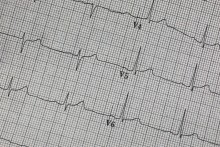
New studies: AI captures electrocardiogram patterns that could signal a future sudden cardiac arrest
Two new studies by Cedars-Sinai investigators support using artificial intelligence (AI) to predict sudden cardiac arrest—a health emergency that in 90% of cases leads to death within minutes. “Sudden cardiac arrest is a mostly lethal condition, and prevention will make the biggest impact, but we need to find novel clinical tools to make that… Read More
Sudden Cardiac Arrest survivors and loved ones are finding information, resources, and support through the Cardiac Arrest Survivor Alliance
PITTSBURGH, PA -- Sudden Cardiac Arrest (SCA) survivors and loved ones are finding information, resources, and support through the Sudden Cardiac Arrest Foundation's Cardiac Arrest Survivor Alliance (tm). SCA is a leading cause of death in community settings across the U.S., affecting about 1,000 people every day. While only about 10 percent of… Read More
From heartbreaker to heart hero: Taylor Swift's music could save lives
VICTORIA, AUSTRALIA -- Taylor Swift never goes out of style, but can she also save lives? Monash University experts believe Swift’s music and popularity could help promote cardiovascular health, potentially saving lives, by teaching her fans and others to conduct CPR to her songs. They have identified over 50 Swift songs that are technically… Read More
Smart Heart Sports Coalition tackles student athlete safety in Nevada ahead of Super Bowl LVIII, donates AEDs to all Nevada Title 1 high schools
LAS VEGAS, NV -- The Smart Heart Sports Coalition, represented by the National Football League (NFL), the American Heart Association (AHA), and Damar Hamlin’s Chasing M’s Foundation, joined together with officials from the Nevada Department of Education and the Nevada Interscholastic Activities Association (NIAA) to announce Chasing M’s Foundation… Read More
Researchers estimate survival chances during CPR for cardiac arrest
A person’s chance of surviving while receiving cardiopulmonary resuscitation (CPR) for cardiac arrest in hospital declines rapidly from 22% after one minute to less than 1% after 39 minutes, finds a US study published by The BMJ today. Similarly, the likelihood of leaving hospital with no major brain damage declines from 15% after one minute of… Read More
Join the Nation of Lifesavers at Super Bowl LVIII in Las Vegas
The National Football League (NFL) and the American Heart Association want more people to be confident and capable when faced with a cardiac emergency, adding more people to the Association’s Nation of Lifesavers™ movement, which intends to double survival rates by 2030. According to American Heart Association data, nine out of every ten of… Read More
Drug overdose cardiac arrests involve younger, healthier people than other cardiac arrests
People with drug-related cardiac arrests in the U.S. were more likely to be younger and have fewer coexisting health conditions compared to non-drug-related cardiac arrests, finds new study in the Journal of the American Heart Association Research Highlights: An analysis of cardiac arrest records in a U.S. registry revealed that people with… Read More