The Sudden Cardiac Arrest Foundation is dedicated to bringing you the latest news and developments in sudden cardiac arrest prevention and treatment.

Dr. Leonard Cobb, co-founder of Medic One program, dies
The emergency medical response service, one of the nation's first, started with outreach by Dr. Cobb to the Seattle Fire Department. Dr. Leonard Cobb, 96, a co-founder of the Seattle Medic One paramedic program, died Feb. 14, 2023. He was a luminary in the field of pre-hospital care of people with cardiac disease. In 1968, Dr. Cobb was chief… Read More
Franklin & Connolly introduce the Cardiac Arrest Survival Act
WASHINGTON--Reps. Scott Franklin (FL-18) and Gerry Connolly (VA-11) today introduced the Cardiac Arrest Survival Act. This bipartisan bill would save lives by establishing a uniform base of liability protection for businesses that acquire automated external defibrillators (AEDs) and the good Samaritans who use them. AEDs are used to assist victims… Read More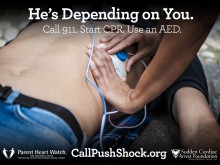
Damar Hamlin’s cardiac arrest fuels resurgence of lifesaving Call-Push-Shock movement
The day Damar Hamlin died from sudden cardiac arrest during Monday night football on January 2—and then was successfully resuscitated—may herald a new era of enlightenment. The quest of the Sudden Cardiac Arrest Foundation, Parent Heart Watch, and other like-minded organizations to increase awareness of this public health crisis and the vital… Read More
AI supports doctors’ hard decisions on cardiac arrest
When patients receive care after cardiac arrest, doctors can now — by entering patient data in a web-based app — find out how thousands of similar patients have fared. Researchers at the University of Gothenburg have developed three such systems of decision support for cardiac arrest that may, in the future, make a major difference to doctors’… Read More
Out-of-hospital cardiac arrest: NHLBI studies tackle deadly public health problem
Recovery of NFL football player highlights importance of resuscitation research and CPR The sudden cardiac arrest of NFL football player Damar Hamlin during a televised game in early January shocked the nation, but his recovery following emergency resuscitation efforts administered on the field did something more: it showed how critical – and… Read More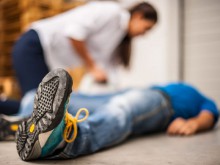
This is what a cardiac arrest looks like, and why you need to know
Dr. Anezi Uzendu should not be here to explain what a cardiac arrest looks like. He's alive only because strangers at a gym understood – and acted. In 2016, Uzendu, then a 25-year-old medical resident, was playing a pickup basketball game at a gym in Birmingham, Alabama. He doesn't recall what happened, but he's told he scored, then collapsed. "… Read More
Highlights of 2023 Sudden Cardiac Arrest statistics
Following are highlights of the American Heart Association Heart Disease and Stroke Statistics-2023 Update related to sudden cardiac arrest: In 2020, any-mention sudden cardiac arrest mortality in the United States was 436,852. According to 2021 U.S. data, the majority of adult Out of Hospital Cardiac Arrests (OHCA) occur at a home or… Read More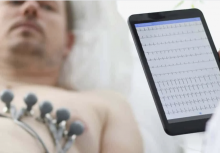
Improving cardiac arrest survivorship: A mental health perspective
In the first quarter of the January 2nd game in Cincinnati, Damar Hamlin, a 24-year-old safety for the Buffalo Bills, dropped to the ground after what appeared to be a routine tackle. Millions of viewers watched as team doctors worked to resuscitate him. What we learned later was that Hamlin, a healthy young man with no significant medical… Read More
Sports-related sudden cardiac arrest is rare in older adults
LOS ANGELES, CA -- Study: Older adults who experience sudden cardiac arrest during or following exercise tend to have better health than those whose sudden cardiac arrest is not triggered by exercise Findings The annual incidence of sports-related sudden cardiac arrest in older adults is rare: 2 to 3 cases per 100,000 people. Of the 4,078… Read More