The Sudden Cardiac Arrest Foundation is dedicated to bringing you the latest news and developments in sudden cardiac arrest prevention and treatment.
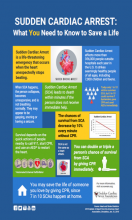
Sudden Cardiac Arrest: What You Need to Know to Save a Life
In celebration of Heart Month, the Sudden Cardiac Arrest Foundation has issued a fact sheet on 12 Things You Should Know About Sudden Cardiac Arrest (see attachment), along with a downloadable infographic targeted to the public. Individuals and organizations are encouraged to share this information through their networks. 12 Things to Know About… Read More
A Save of Olympic Proportions: Paul Wylie's Comeback from Sudden Cardiac Arrest is a Reminder of the Importance of Learning CPR, Especially During February, Heart Month
Three years ago, figure skating Olympian Paul Wylie overcame a substantial disadvantage and survived Sudden Cardiac Arrest, thanks to immediate CPR from one of his workout buddies. To help save more lives, the Sudden Cardiac Arrest Foundation urges the public to commit to learn CPR now, during Heart Month. Sudden Cardiac Arrest (SCA) is the third… Read More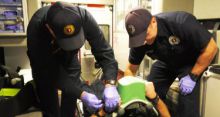
New Protocol Gives Patients Fighting Chance to Survive Cardiac Arrest
Condition that has nearly 100% mortality improves to 40% survival COLUMBUS, OH--More people are walking away from a type of cardiac arrest that is nearly always fatal, thanks to a new protocol being tested at The Ohio State University Wexner Medical Center. It’s called an ECPR alert. Ohio State cardiologists work in conjunction with Columbus… Read More
Obesity, Other Risks Play Large Role in Sudden Cardiac Arrest Among the Young
Research Spanning More Than a Decade Points to Importance of Screening for Risk Factors Earlier in Life LOS ANGELES, CA--Obesity and other common cardiovascular risk factors may play a greater role in sudden cardiac arrest among younger people than previously recognized, underscoring the importance of earlier screening, a Cedars-Sinai study has… Read More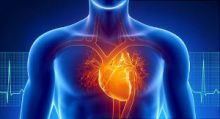
AHA Releases Latest Statistics on Sudden Cardiac Arrest
There are more than 356,000 out-of-hospital cardiac arrests (OHCA)[1] annually in the U.S., nearly 90% of them fatal, according to the American Heart Association’s newly released Heart Disease and Stroke Statistics - 2018 Update. According to the report, the annual incidence of EMS-assessed non-traumatic[2] OHCA in people of any age is estimated… Read More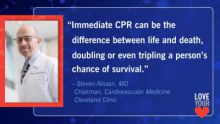
New Cleveland Clinic Survey: Only Half Of Americans Say They Know CPR
When it comes to heart health emergencies, many Americans don’t have the knowledge to aid others, and often don’t know the proper way to help themselves, according to a new Cleveland Clinic survey. The survey found that slightly more than half of Americans (54 percent) say they know how to perform CPR; however, only one in six know that the… Read More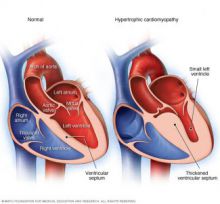
Four in 10 Cardiomyopathies – A Major Cause of Sudden Cardiac Death in Young People – Are Genetic
Family screening urgently needed to prevent early death in apparently healthy relatives SOPHIA ANTIPOLIS--Four in ten cardiomyopathies – a major cause of sudden cardiac death and heart failure in young people – are genetic, according to a European Society of Cardiology (ESC) study published in European Heart Journal. Family screening is urgently… Read More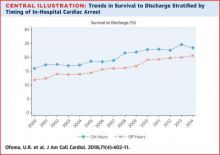
Despite Overall In-Hospital Cardiac Arrest Survival Improvement, Lower Survival on Nights, Weekends Persists
Survival difference between ‘on-hours’ and ‘off-hours’ remains unchanged WASHINGTON, DC--Overall survival has improved for the approximately 200,000 patients experiencing in-hospital cardiac arrest in the U.S. each year, but patients who arrest during nights or weekends continue to experience lower survival compared to patients who arrest during… Read More
Robert H. Trenkamp, Jr.: An Advocate Who Made A Difference
Robert H. Trenkamp, Jr., 74, of Skidaway Island, Georgia, suffered sudden cardiac arrest at his daughter's home in Zurich, Switzerland, over the Christmas holidays. Since he was a staunch advocate for improving survival from cardiac arrest, his family was well-versed in the critical importance of CPR and the use of automated external… Read More