The Sudden Cardiac Arrest Foundation is dedicated to bringing you the latest news and developments in sudden cardiac arrest prevention and treatment.

Therapeutic hypothermia below current guidelines did not improve outcomes after cardiac arrest
In patients receiving therapeutic hypothermia after suffering out-of-hospital cardiac arrest, those who were cooled below 31 degrees Celsius (about 88 degrees Fahrenheit) for 24 hours showed no difference in terms of death or poor neurological outcomes at six months compared with patients receiving guideline-recommended cooling of 34 C (about 93 F… Read More
Machine learning (AI) accurately predicts cardiac arrest risk
Model combines timing and weather data A branch of artificial intelligence (AI), called machine learning, can accurately predict the risk of an out of hospital cardiac arrest--when the heart suddenly stops beating--using a combination of timing and weather data, finds research published online in the journal Heart. Machine learning is the study… Read More
Magnets in cell phones and smart watches may affect pacemakers and other implanted medical devices
Some consumer electronic devices, such as certain cell phones and smart watches, include high field strength magnets. Recent studies have shown that consumer electronic devices with high field strength magnets may cause certain implanted medical devices to switch to “magnet mode” and suspend normal operations until the magnet is moved away from… Read More
Many children with cardiomyopathy have a genetic mutation but few are screened
Routine genetic screening for all children with cardiomyopathy could make a powerful difference in outcomes and even survival BUFFALO, N.Y. -- A national, University at Buffalo-led study on genes in pediatric cardiomyopathy demonstrates strong evidence for routine genetic screening in children with the disease. The study, published April 28 in… Read More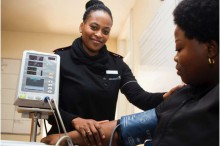
Study paves the way for preventing sudden cardiac arrest in the community
SOPHIA ANTIPOLIS, FRANCE--A study comparing commonly used medications for type 2 diabetes has found that sulfonylurea drugs are associated with a reduced risk of out-of-hospital cardiac arrest compared with metformin. The research is published today in the British Journal of Clinical Pharmacology1 and presented at EHRA 2021, an online scientific… Read More
Can a personalized approach more accurately allocate cardiac devices?
SOPHIA ANTIPOLIS -- A novel project testing the value of personalised treatment and applying artificial intelligence (AI) to better select patients for an implantable cardioverter defibrillator (ICD) is outlined today at EHRA 2021, the online annual congress of the ESC’s European Heart Rhythm Association (EHRA). Sudden cardiac death accounts for… Read More
Study highlights risks of anxiety and depression after cardiac device implantation
SOPHIA ANTIPOLIS, FRANCE--Patients receiving an implantable cardioverter defibrillator (ICD) should be regularly screened for anxiety and depression, according to research presented at EHRA 2021, an online scientific congress of the European Society of Cardiology (ESC).1 Study author Professor Susanne Pedersen of Odense University Hospital,… Read More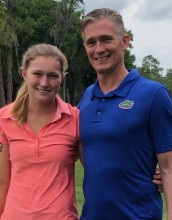
High school student, Kaitlin Ryan, saves her father’s life on Tampa area golf course
Now she is advocating to save other lives. PITTSBURGH, PA--These were uncertain times. It was the beginning of the coronavirus pandemic. To find some semblance of normal, Kaitlin Ryan, 15, a student at Palm Harbor University High School, and her father Stephen Ryan, 49, would often go to a nearby golf course to get outside and share their passion… Read More
Athletes unlikely to develop cardiac complications from COVID, study shows
Highlights: To date, no adverse cardiac events related to SARS-CoV-2 infection have been observed among more than 3,000 collegiate athletes during short-term clinical surveillance. Findings suggest safe return-to-play without cardiac testing for asymptomatic or mildly symptomatic athletes. DALLAS, TX--While the lasting impact of COVID-19 on… Read More