
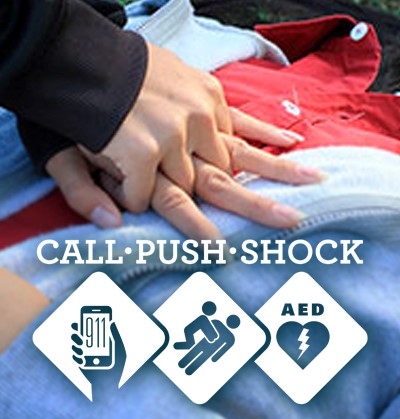

A study published in Resuscitation analyzed publicly available videos of out-of-hospital cardiac arrests (OHCA) to better understand how these events unfold in real-world settings. By examining recordings of cardiac arrests, the researchers captured details often missing from traditional registries, including the immediate circumstances, bystander responses, and patient behaviors. Cardiac arrest was visibly witnessed in 132 of 140 cases (94 %), with 124 of 137 cases (91 %) witnessed by bystanders and 8 of 137 cases (6 %) witnessed by EMS or healthcare personnel.
These videos provide a rare opportunity to observe the early moments of cardiac arrest and highlight gaps in public awareness and response.The median video duration was 58 seconds, and YouTube was the predominant publication platform. The videos had a global distribution: Asia, North America, Europe, South America, Africa, and Oceania.
The study revealed that bystander CPR was documented in only 38 % of cases, and AED retrieval or use was rare, underscoring the ongoing need for public training and education. Additionally, two-thirds of patients displayed post-collapse signs such as seizure-like movements or agonal breathing, which were often misinterpreted by witnesses, potentially delaying life-saving interventions. These findings highlight common misconceptions about the signs of cardiac arrest and demonstrate the critical importance of rapid recognition and action.
The videos offer valuable insights into early warning signs, bystander reactions, and environmental factors during cardiac arrest events. By better understanding these real-world dynamics, this research can inform public education campaigns and strategies to improve early recognition and intervention, ultimately increasing survival rates for cardiac arrest victims.
Read the full article here.
SOURCE: Resuscitation