

Reporter Fred Anklam, 48 at the time, was at work when it happened to him. Tracey Conway, 38, was performing a comedy routine when it was her turn. Nick Giorgione, 13, was at football practice. Virginia Monahan, 57, was rushing to catch her plane. Henry Jampel, MD, 44, was swimming laps. Dick Bylund, 50, was at his son's football game. Paula Opheim, 20, was jogging on campus (Read Paula's personal story in the discussion forum). Ethan Miller, 12, was jumping on a trampoline. Amanda Trevathan, 17, was in math class. Jim Baum, 64, was visiting with family and friends at home. Kelli Harris, 27, was working out at a health club.
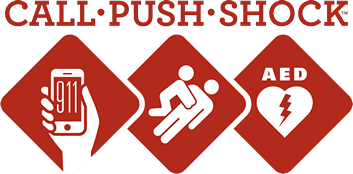
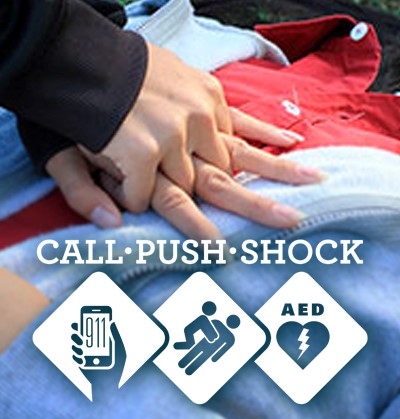
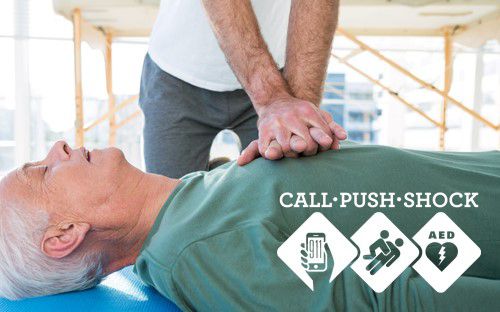
What do these people have in common? They all suffered sudden cardiac arrest (SCA). Without any warning, their hearts stopped, they collapsed, and they were clinically dead. Unlike countless other SCA victims, they were the lucky ones. They survived, thanks to immediate intervention by bystanders and other rescuers who called 9-1-1, provided cardiopulmonary resuscitation (CPR), and used automated external defibrillators (AEDs) to restore a normal heartbeat.
Most SCA victims (93%), however, do not survive. Why is survival such a rare thing? The problem in large part, is a lack of awareness and basic training on the part of the public and even some health professionals. It doesn't have to be this way.
It’s a common misconception that sudden cardiac arrest (SCA) and heart attack are the same thing. In reality, they are quite different. Understanding the difference could save your life—or the life of someone you love.
The person is awake and the heart is beating
Heart attack (the medical term is myocardial infarction or MI) occurs when part of the heart’s blood supply is reduced or blocked, causing the heart muscle to become injured or die. The person is awake (conscious) and may complain of one or more of the signs and symptoms of heart attack.
Do you want to help save lives threatened by sudden cardiac arrest? Donate today to the SCA Foundation. Your tax deductible contribution may mean the difference between life and death for someone you love.
Many victims can survive if they are treated quickly with a combination of cardiopulmonary resuscitation (CPR) and defibrillation. If we can increase the rate of survival from 7% to 20%, 50,000 lives could be saved each year in the U.S. alone.
The SCA Foundation, a nonprofit organization, has been established to help increase awareness about this public health crisis and reduce death and disability from SCA, through this website and other initiatives.
The lessons of this compelling and amazing story apply to every community in the United States. It offers a poignant, touching glimpse of the inner workings of a family impacted by cardiac arrest.